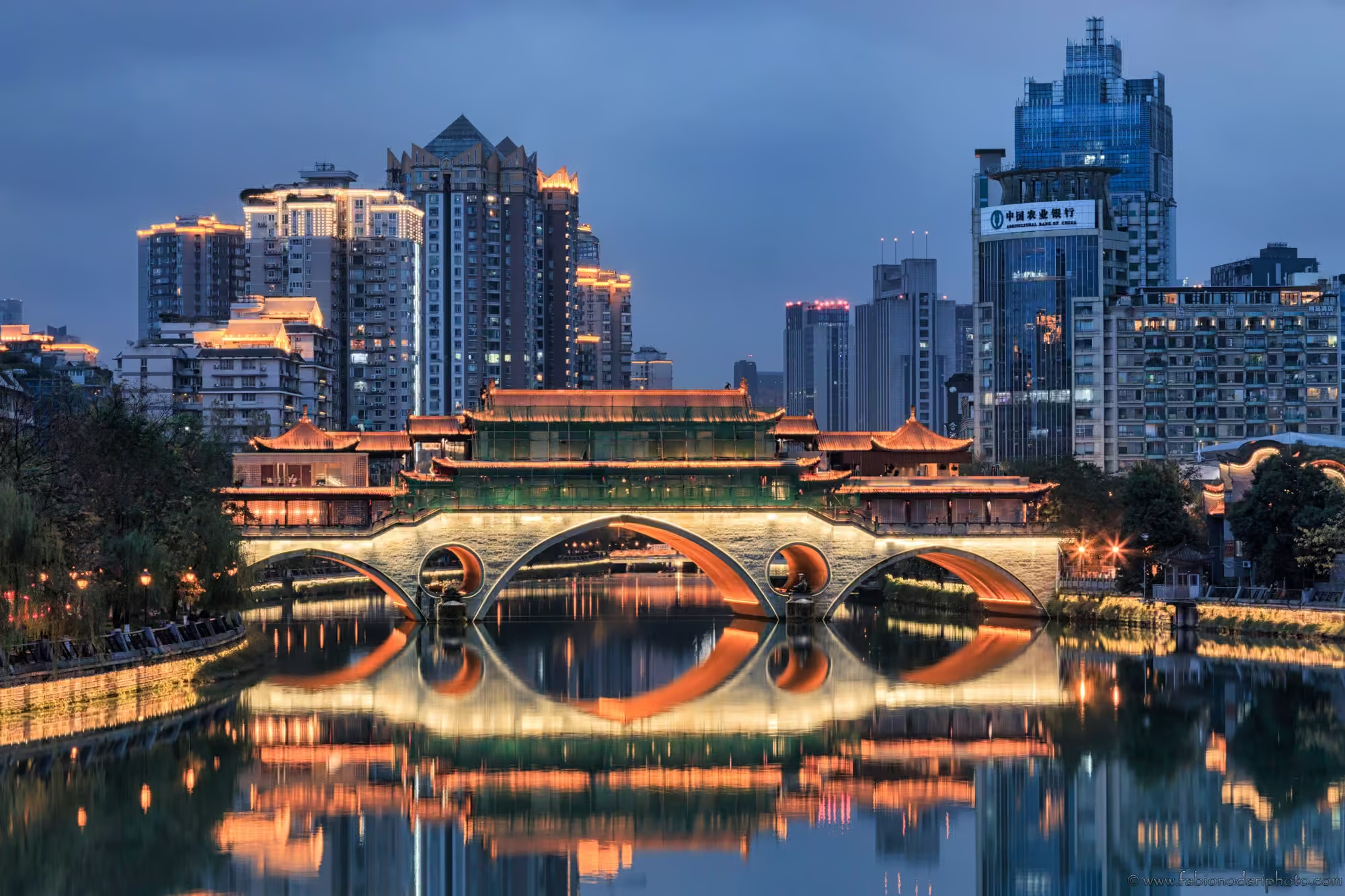
Chengdu, the capital of China’s Sichuan Province, is a vibrant metropolis renowned for its rich cultural heritage and culinary delights. Known as the home of the giant panda, this city attracts numerous tourists eager to experience its unique blend of ancient history and modern urban life. From the traditional teahouses of Jinli Ancient Street to the breathtaking scenery of the surrounding Sichuan mountains, Chengdu offers visitors a wide array of experiences. The city’s famous cuisine, particularly its hot pot and spicy Sichuan dishes, showcases its bold flavors and culinary innovations. As a key city in southwest China, Chengdu serves as a gateway to many other attractions in the region, including the picturesque Jiuzhaigou Valley and the historical town of Huanglong.
For those planning to visit Chengdu, Cathay Pacific provides flight services from Los Angeles To Chengdu making travel convenient and accessible. The city boasts a well-developed transportation system, including an extensive metro network and bus options that allow for easy navigation. Chengdu’s blend of modernity and tradition is evident in its skyline, dotted with shimmering skyscrapers alongside beautifully preserved temples. Cultural enthusiasts will appreciate Chengdu’s vibrant arts scene, which features theatrical performances, traditional music, and contemporary art exhibitions. The city also plays host to various festivals throughout the year, celebrating everything from local food to traditional customs. Ultimately, a trip to Chengdu promises a memorable experience that combines the thrill of exploration with the warmth of authentic Chinese hospitality. Whether you are a foodie, a nature lover, or someone interested in history and culture, Chengdu has something unique to offer every traveler.
Dujiangyan Irrigation System
The Dujiangyan Irrigation System, located in Sichuan Province, China, is an engineering marvel that exemplifies ancient Chinese ingenuity. Built in the 3rd century BCE during the Warring States period, the system was designed by the polymath Li Bing and his son to manage the Min River’s flooding while providing irrigation to arable land in the region. This innovative project transformed the landscape of Sichuan, enabling agriculture to flourish and supporting the livelihood of millions for centuries. The UNESCO World Heritage site reflects a sophisticated understanding of hydrology and engineering that has influenced water management practices worldwide.
One of the most remarkable features of the Dujiangyan system is its use of gravity to direct water without the need for pumps or machinery. The structure includes a series of dikes, channels, and weirs that divert river flow into irrigation canals, ensuring that water reaches fields efficiently. This sustainable approach not only mitigates flooding but also preserves the ecosystem of the region. The system manages to strike a balance between human needs and environmental conservation, showcasing the harmony between nature and human intervention.
The enduring legacy of the Dujiangyan Irrigation System is evident in its continued operation over two millennia. Modern upgrades and maintenance efforts have allowed it to adapt to contemporary agricultural demands while preserving its historical integrity. As a result, the system remains vital for local farmers, sustaining agriculture in one of China’s most fertile regions. The agricultural output supported by Dujiangyan has played a significant role in the economic development of Sichuan Province.
Today, the Dujiangyan Irrigation System stands not only as a functional water management system but also as a symbol of China’s rich cultural heritage and innovation. It attracts visitors from around the world who come to marvel at its historical significance and intricate design. The Dujiangyan remains a testament to ancient engineering prowess, demonstrating the power of human creativity in overcoming the challenges posed by nature.
Sichuan Opera
Sichuan Opera, a captivating form of Chinese theatrical art, is renowned for its unique blend of music, dance, and acrobatics. Originating in the Sichuan province during the late 19th century, it has evolved into a distinct genre that showcases the rich cultural heritage of the region. Its lively performances are characterized by expressive gestures, elaborate costumes, and the signature face-changing technique called “”Bian Lian””, where performers seamlessly switch masks to portray different characters and emotions. This dramatic transformation captivates audiences, adding an element of surprise and enchantment to each performance.
The music of Sichuan Opera is equally distinctive, featuring a mix of local folk melodies and classical Chinese instruments. The orchestra typically includes instruments such as the erhu, suona, and gongs, which create an enchanting atmosphere and enhance the emotional depth of the stories being told. The operas often draw inspiration from historical tales, legends, and folklore, allowing audiences to connect with their cultural roots while being entertained by the vivid storytelling. The spoken dialogues and lyrics are often infused with humor, wit, and local dialects, creating a relatable experience for viewers.
One of the most remarkable aspects of Sichuan Opera is its focus on character development. Performers undergo rigorous training to master various acting techniques, vocal skills, and physical movements. The roles are often categorized into different types, such as Sheng (male), Dan (female), Jing (painted face), and Chou (clown), each with its own stylistic nuances. This intricate system allows for a rich tapestry of characters and personalities, bringing depth and complexity to the narrative. The performers’ dedication to their craft is evident, as they must also be adept at martial arts, acrobatics, and even face manipulation for the mask-changing acts.
In recent years, Sichuan Opera has experienced a renaissance, with efforts to preserve traditional elements while incorporating modern influences. This evolution has helped to attract younger audiences, ensuring the continuity of this cherished art form. Festivals and performances have gained popularity not only in China but also internationally, allowing Sichuan Opera to reach a broader audience. As it continues to adapt and innovate, Sichuan Opera remains a vibrant testament to the enduring power of performance art, showcasing the beauty and diversity of Chinese culture.
People’s Park
People’s Park, located in the heart of many urban areas, serves as a vital green oasis amidst the concrete landscape of modern civilization. These parks are often designed to foster community interaction and provide a space for relaxation, recreation, and cultural events. With walking paths, picnic areas, and playgrounds, People’s Parks often attract families, fitness enthusiasts, and individuals seeking solace in nature. The presence of trees, flower beds, and open spaces contributes to local biodiversity while offering residents and visitors an opportunity to connect with the environment.
Historically, People’s Parks have varied widely in their establishment, but most share a common goal: to serve as a gathering place for the public. Many feature sculptures, fountains, and monuments that celebrate local history or notable figures, infusing the park with a sense of identity and meaning. Events such as farmers’ markets, outdoor concerts, and art exhibitions often take place in these parks, turning them into vibrant social hubs where creativity and community meet. This ongoing programming, coupled with seasonal activities, helps to maintain a steady flow of visitors, reinforcing the park’s role as a communal gathering space.
In addition to social benefits, People’s Parks also have significant health advantages. They provide crucial green spaces that encourage physical activity, whether through walking, jogging, or playing sports. Access to nature is increasingly recognized for its mental health benefits, offering a respite from the hustle and bustle of daily life. Parks can reduce stress and foster a sense of well-being, promoting a more active and healthier lifestyle among community members. As urban areas continue to expand, the preservation and development of such parks become essential in promoting public health and environmental sustainability.
The future of People’s Parks will likely involve greater emphasis on inclusivity and sustainability. As climate change poses increasing challenges, these parks can play a vital role in urban resilience strategies. Initiatives like native plant gardens, rain gardens, and community workshops can empower residents to participate in maintaining and revitalizing these public spaces. By fostering a collective sense of ownership and responsibility, People’s Parks can continue to evolve as treasured urban sanctuaries that benefit both the community and the environment for generations to come.