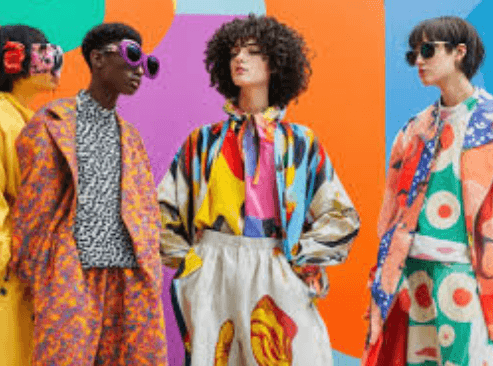
The fashion industry has officially entered its digital-first era. As we move through 2025 and look toward 2026, the traditional boundaries of design studios have dissolved. The “new normal” for high-performing creative teams is no longer a physical office in a fashion capital, but a sophisticated virtual environment. At the center of this transformation is the adoption of cloud-based fashion design, a technology that has moved from being a competitive edge to an industry standard.
The Shift to “Always-On” Creative Hubs
In 2025, the speed of fashion has reached an all-time high. Consumers expect new collections to move from social media trends to store shelves in record time. Traditional workflows—relying on local servers and physical sketches—simply cannot keep up.
Virtual workspaces have streamlined this by creating an “always-on” hub. When a design team uses a cloud-based infrastructure, the workflow becomes non-linear. A pattern maker can start working on the technical construction while the lead designer is still refining the 3D drape. This overlapping of tasks, enabled by the cloud, has reduced the typical design-to-production cycle by up to 50% this year.
Key Workflow Improvements in the 2025 Landscape
The integration of virtual workspaces has brought major shifts to how fashion teams operate daily:
1. The Elimination of Version Conflict
One of the biggest productivity killers in remote teams was “file fragmentation.” In 2025, cloud-based systems ensure there is only one “active” 3D asset. Every change made by a designer is instantly reflected across the entire team’s dashboard. This has virtually eliminated the error rate previously caused by teams working on outdated versions of a garment.
2. AI-Enhanced CAD Workflows
Modern virtual workspaces are now heavily integrated with Artificial Intelligence. In 2025, cloud platforms are capable of generating technical documentation from 3D models and using AI to suggest pattern adjustments based on a brand’s specific requirements. Even the complex process of sizing, which used to take days, now happens in minutes within the cloud environment.
3. Global Synergy Without Latency
For teams working across different continents, hardware used to be a barrier. In 2025, the cloud handles the heavy processing. Designers no longer need high-end workstations; they can render photorealistic 3D garments on standard laptops because the heavy lifting happens on remote cloud servers.
Sustainability: A Core Requirement
In 2025, sustainability is a fundamental part of the design process. Virtual workspaces are the primary tool for achieving “Zero-Waste Design.”
By refining the fit and drape in a virtual workspace before a single inch of fabric is cut, brands are reporting a massive reduction in physical sampling. This doesn’t just save money; it drastically lowers the carbon footprint associated with manufacturing and shipping multiple rounds of prototypes across the globe. The ability to validate a design digitally means that the first physical garment produced is often the final version.
The Role of Real-Time “Digital Twins”
A major trend this year is the use of “Digital Twins” for merchandising. Once a design is finalized in the virtual workspace, that same 3D asset is pushed directly to e-commerce and marketing teams.
Instead of waiting weeks for a physical photoshoot, brands are using cloud-rendered images for their online stores. This “Sell-Before-You-Produce” model is helping brands minimize overstock. By seeing which digital designs get the most engagement, brands can adjust their production volumes in real-time.
Overcoming Remote Creative Blocks
Creativity often thrives on spontaneous interaction. Virtual workspaces in 2025 have introduced features where designers can jump into a shared 3D room, manipulate a digital avatar, and swap fabric textures in real-time while on a video call. This mimics the “around-the-table” feel of a physical studio, ensuring that remote teams don’t lose the collaborative spark that defines great fashion.
Looking Toward 2026: What’s Next?
As we approach 2026, the focus is shifting toward even deeper integration. Digital fabrics are becoming so realistic they can simulate the microscopic textures of organic materials.
Cloud platforms are also beginning to integrate with augmented reality retail. A design created in a virtual workspace today can be used as a physical garment, a digital wearable for an avatar, and an AR “try-on” asset for a smartphone—all from a single cloud-based file.
See also: Sofa Cleaning Dubai: The Ultimate Guide to Fresh, Stain-Free Upholstery
Conclusion
The transition to virtual workspaces is the most significant upgrade to fashion logistics in decades. By centralizing the creative process through cloud-based fashion design, brands are overcoming the traditional hurdles of distance, hardware limitations, and physical waste.
For fashion professionals in 2025, the message is clear: the most important tool in the kit isn’t just a sewing machine or a sketchbook—it’s access to a connected, intelligent, and real-time digital ecosystem. The brands that are thriving today are the ones that have moved their entire workflow into the cloud.