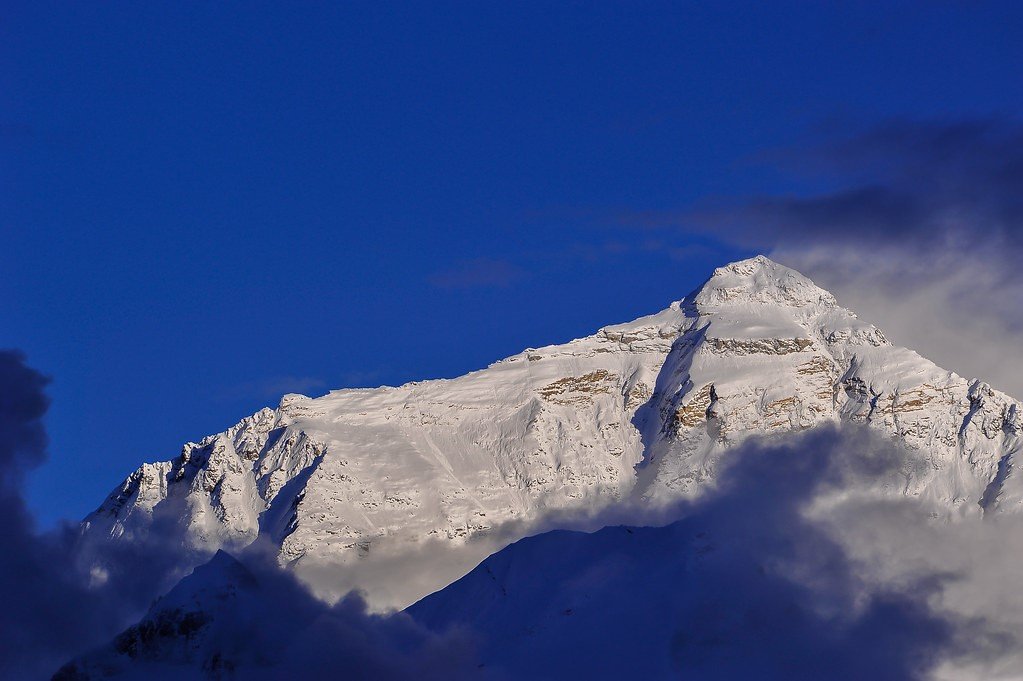
Everest Base Camp trek is considered one of the most popular trekking paths in the world. Thousands of trekkers use the famous trail to reach the base of Mount Everest every year. The views are beautiful, the culture is rich, and the journey feels rewarding. But one common question always comes first. How hard is the Everest Base Camp trek
The truth is simple. The trek is not technical and does not require climbing skills. Anyone with basic fitness, patience, and proper preparation can complete it. But the trail is long, the altitude becomes high, and the weather changes quickly. The challenge is not strenuous climbing but walking day after day at elevated levels. Improved understanding of the challenges, thorough preparation makes the trek safe, enjoyable and significant.
This guide explains the difficulty, fitness needs, altitude challenges, and everything you need to know in clear human language.
Is the Everest Base Camp Trek Difficult
The Everest Base Camp trek is considered moderately difficult. You do not require ropes, special equipment, and/or climbing experience. You simply walk. But you walk long days, now up hill, now downhill, and sometimes on a rough road, and sometimes on a smooth one, and most of these days long. The distance is very lengthy and each step is burdened by the altitude.
According to the majority of trekkers, the trek is challenging at one point or another but can be sustained. The challenge is more of the mind than of the body. If you walk slowly, drink enough water, and follow acclimatization rules, the trek becomes much easier. The body adjusts naturally when you give it time.
Understanding the Trail Before You Begin
The trek begins in Lukla and passes through Phakding, Namche Bazaar, Tengboche, Dingboche, Lobuche, and Gorakshep. You visit Base Camp and some trekkers climb Kalapatthar for sunrise. Each day brings different terrain. Stone steps in villages, forest trails in lower areas, long suspension bridges over rivers, especially in the lower region between Lukla and Namche, and rocky paths in higher regions.
The biggest challenge is the altitude. As you climb higher, your breathing becomes harder and the air becomes thinner. Even simple walking feels slower. This is normal. If you walk steadily, the trail does not feel overwhelming.
How Many Hours You Walk Each Day
Most days involve five to seven hours of walking. Some days feel gentle, while others feel longer. The longest and most tiring days are usually the hike to Base Camp and the climb to Kalapatthar. But these days are also the most rewarding.
Walking slowly is the safest way to enjoy the trail without feeling exhausted.
Altitude Difficulty on the Everest Base Camp Trek
Altitude is the main difficulty of the trek. The trail reaches more than five thousand meters, where the air is thin. If you go too fast, your body may not adjust. But if you follow proper acclimatization, you remain safe.
Most important altitude habits
- walk slowly
- drink warm water often
- listen to your guide
These three simple habits protect you from most altitude issues. You also take acclimatization days in Namche Bazaar and Dingboche. During these days, you do short hikes and sleep in the same village so your body adjusts naturally.
Most trekkers who follow these habits complete the trek without major problems.
Physical Fitness Required
You do not need to be a strong athlete to trek to Everest Base Camp. But you need basic fitness. If you can walk for several hours a day on small hills, you are ready. The better your endurance, the easier the journey feels.
The trek is more about stamina than strength. A calm and steady pace helps more than speed. Even first time trekkers finish the journey comfortably when they prepare early.
Simple Training Tips
Training for the trek is simple. You only need regular walking practice, light cardio, and basic strength training. You do not need intense gym workouts.
Main training points
- regular walking
- simple cardio for breathing
- light strength for legs and core
Walking is the best training. Start with short daily walks, then slowly increase the distance. Weekend hikes are excellent preparation because they help your legs adjust to long walking hours. If you can walk for two to three hours comfortably, you are on the right track.
Cardio helps your breathing. Light jogging, cycling, dancing, or brisk walking two to four times a week keeps your lungs strong. You do not need high intensity. Slow and steady is enough.
Weight lifting helps your legs and your back. Squats, lunges, and step ups are simple exercises that enable you to walk down the hill and uphill easily.
Mental Strength and Patience
The Everest Base Camp hike is more of a mind than a body journey. Some days are long. Some mornings are cold. Some climbs feel slow. However, when you remain composed and patient, every part will be less difficult.
A positive and patient attitude makes every part of the trek feel easier. If you rush, you feel tired. When you take a slow pace, you feel powerful.
Weather and Temperature Challenges
Weather changes quickly in the Everest region. It can be warm in the lower sections and very cold near Base Camp. Nights are especially cold. But as long as you pack proper clothing, you stay comfortable.
Wind becomes strong at higher altitudes, and mornings are colder than afternoons. Clear skies provide beautiful views, but cloudy days may reduce visibility. With warm layers, gloves, hats, and a good jacket, you can handle all conditions safely.
Trail Conditions and Terrain
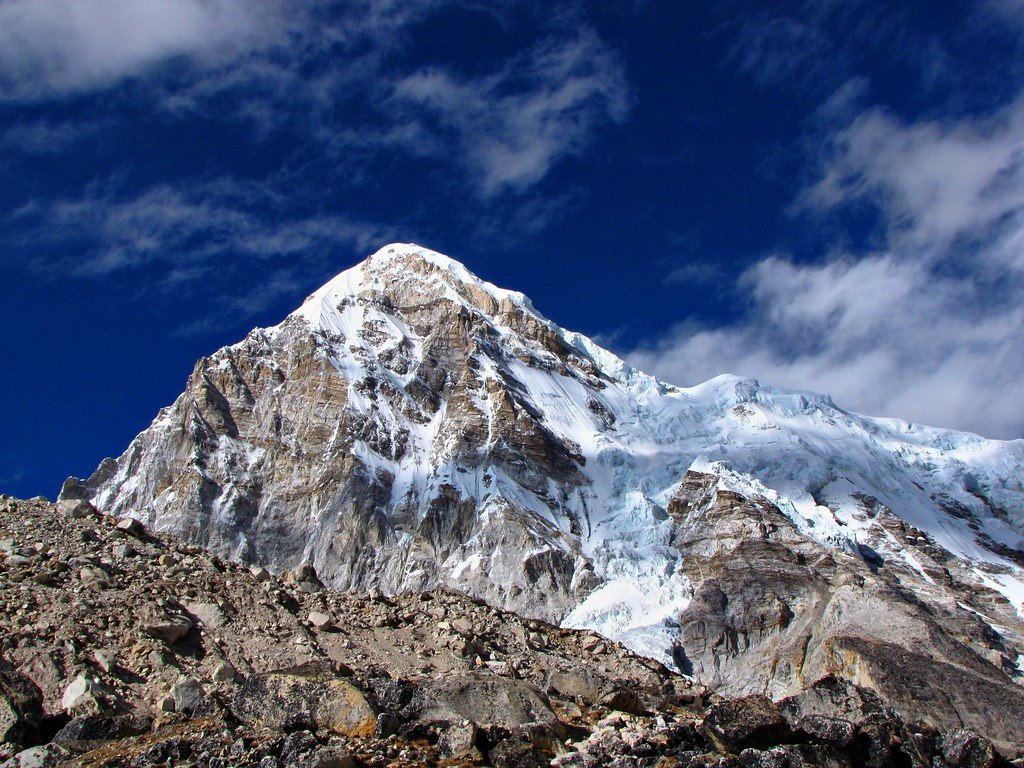
The trail includes forests, suspension bridges in the lower region, stone staircases, rocky hills, and open valleys. None of the terrain is dangerous if you walk with focus and balance. The path is well marked and used by thousands of trekkers every season.
There are parts that are tiresome, though not technically challenging. It is easier to have short breaks and manage your speed when taking a walk.
Difficulty of the Final Days
The hardest days are usually:
• the climb between Lobuche and Gorakshep.
• the trek between the Gorakshep and the Base Camp.
•the climb to Kalapatthar
These areas are elevated, rocky, and lengthy. In winter or early mornings, these areas are elevated, rocky, and lengthy. In winter, some sections may become icy. Yet they are the prettiest parts of the whole journey. You will appreciate them when you walk slowly and take plenty of water.
Role of Guides and Porters
A good guide will help to make the journey much easier. They watch over your health, measure your oxygen, plan your steps, and provide advice on every step. Your bags are carried by porters and you can walk around without carrying the heavy things.
There are also guides and porters who encourage you, assist you to pass through difficult spots and also ensure that you are safe and comfortable.
Acclimatization Days Are Essential
The acclimatization days in Namche Bazaar and Dingboche play a very crucial role. A large number of trekkers who attempt to avoid them experience problems with the altitude in the future. Such days give your body time to adapt gradually. You walk to local sightseeing spots and come back to sleep in the same village.
On any acclimatization day, it is good to rest and hydrate your body to get used to a higher altitude.
Do Beginners Find the Trek Hard
Beginners find some days challenging, but most complete the trek successfully. The key is not fitness alone. The key is patience, slow walking, proper hydration, and mental calmness. Even first time trekkers reach Base Camp safely when they prepare lightly and listen to their guide.
If you can walk gently for many days and enjoy simple mountain life, the trek is perfect for you.
Common Challenges Trekkers Face
The most common challenges include cold mornings, long days, thin air, rocky paths, and early rising times. But none of these challenges feel impossible. With proper sleep, warm food, and steady walking, you overcome each one easily.
Trekkers who rush feel tired. Trekkers who walk slowly feel strong.
Who Should Choose the Everest Base Camp Trek
The trek is suitable for:
Beginners with basic fitness
Adventure lovers
Trekkers who enjoy nature
People who walk slowly and patiently
You do not need to be extremely fit. You only need a steady walking routine and a calm mindset.
How to Make the Trek Easier
One can make the Everest Base camp trek easy and more comfortable in very simple ways:
Walk at a slow and steady pace.
Drink warm water every hour.
Eat full meals, especially warm soups.
Rest whenever your body feels tired.
Wear comfortable boots, warm clothing.
Go to sleep early and allow the body to rest.
Trust your guide and be relaxed.
These small habits make a big difference.
Final Thoughts
So, how hard is the Everest Base Camp trek The answer depends on your preparation and mindset. The trek is not technical, but it is long and takes you to high altitude. With simple training, proper acclimatization, warm clothing, and a slow pace, the trek becomes manageable for almost anyone. Many first time trekkers complete the journey, and they often say the same thing. The trek was challenging in moments, but the reward was worth every step.
When you plan and walk the Base Camp in Everest, it is one of the most beautiful experiences of your life. It is a mountain trail, culture, bravery and self-realization. And when you finally stand at Base Camp, the feeling is memorable.