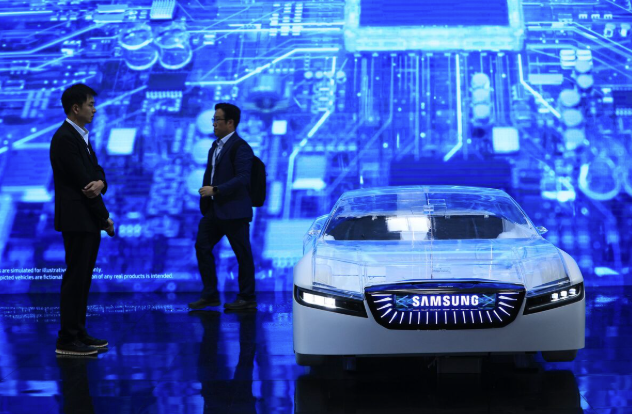
The future of electric vehicles is influenced by key advancements in battery technology and charging infrastructure. Solid-state batteries promise increased safety and energy density, potentially reshaping consumer perceptions. Meanwhile, the expansion of charging networks addresses range anxiety, an essential factor for widespread adoption. As urban mobility evolves, the integration of electric and shared transportation becomes critical. However, significant challenges remain that must be addressed to achieve a sustainable transition. What factors will determine the pace of this evolution?
The Evolution of Battery Technology
As the demand for electric vehicles (EVs) continues to rise, the evolution of battery technology has become a critical focal point in the automotive industry.
Solid state batteries present a promising alternative to traditional lithium-ion batteries, offering enhanced safety and energy density.
Additionally, advancements in lithium recycling are vital for sustainable production, ensuring that the growing EV market remains environmentally responsible while securing energy independence.
Expanding Charging Infrastructure
The rise of electric vehicles (EVs) necessitates a robust and accessible charging infrastructure to support their widespread adoption.
Expanding charging networks is critical to enhancing public accessibility, alleviating range anxiety, and encouraging consumer confidence.
As investments grow and technology advances, strategically placed charging stations will empower drivers, facilitating the transition to a sustainable future while ensuring that freedom of movement remains unimpeded.
See also: belle-turf
Impact on Urban Mobility
While urban mobility has long been dominated by traditional gasoline-powered vehicles, the integration of electric vehicles (EVs) is poised to transform transportation dynamics in cities.
EVs, often incorporated into shared mobility systems, can significantly contribute to congestion reduction.
Overcoming Challenges for Adoption
Although the potential benefits of electric vehicle (EV) adoption are clear, several significant challenges hinder their widespread integration into urban environments.
Key hurdles include the lack of comprehensive government incentives and insufficient consumer education.
To facilitate broader acceptance, stakeholders must focus on enhancing financial support mechanisms and improving awareness about EV advantages, ultimately promoting a more sustainable and autonomous urban mobility landscape.
Conclusion
In conclusion, the future of electric vehicles is akin to a rising tide, lifting all boats in the realm of sustainable transportation. As battery technology matures and charging infrastructure expands, the barriers to EV adoption will diminish, paving the way for a cleaner, more efficient urban mobility landscape. Collaborative efforts among industry stakeholders will be crucial to navigating the challenges ahead, ensuring that the shift towards electric vehicles not only meets consumer demands but also promotes environmental stewardship.